Pre-hospital Ambulance Vehicles
Ambulance and patient transport vehicles, engineered and converted in Nanjing, China for hospitals, EMS providers and healthcare programmes. Van-body or Class II chassis with shelter, developed around patient capacity, medical equipment and destination-market requirements.
Ambulance Models — Daily, Juxing & Transit
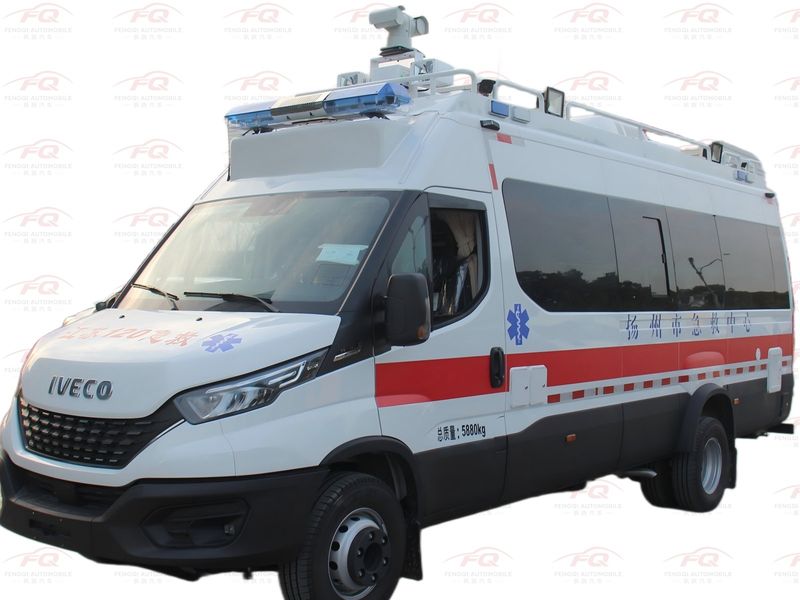
IVECO Daily Medical Emergency Command Vehicle
Mobile On-Site Command Center
Mobile On-Site Command Center
View details →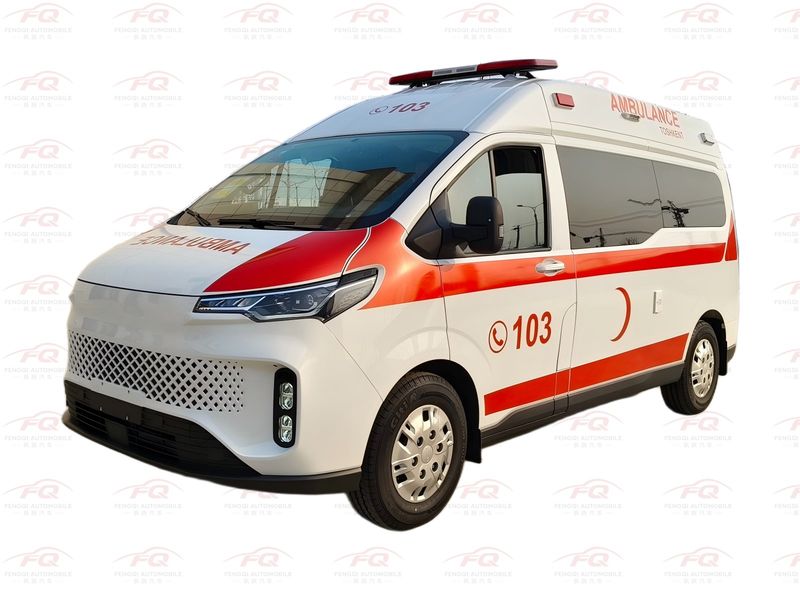
IVECO Juxing Light Diesel Ambulance
Patient Transport Emergency Vehicle
Patient Transport Emergency Vehicle
View details →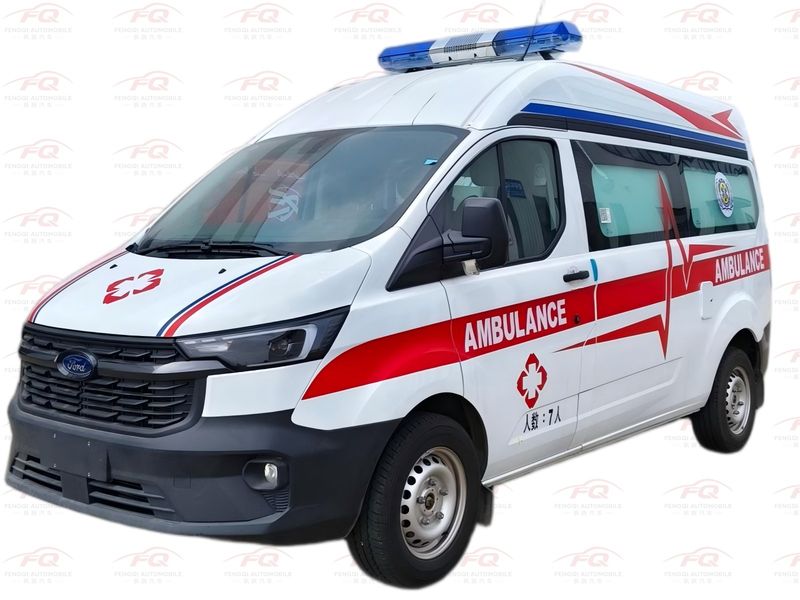
JMC Ford Transit V362 Gasoline Ambulance
5m Light Emergency Patient Transport
5m Light Emergency Patient Transport
View details →What this page covers
We build ambulances two ways. A van-body conversion takes a finished van (Ford Transit, IVECO Daily, etc.) and fits the medical interior. A Class II chassis with shelter mounts a purpose-built medical compartment (shelter/box) onto a bare chassis. Both are custom upfits — the difference is where the bodywork starts.
What We Build
Patient Transport Vehicles
For stable-patient transfer, inter-hospital transfer and routine medical mobility.
Emergency Ambulances
For monitored patient transport and pre-hospital emergency response.
Medical Emergency Vehicles
For emergency medical support, field coordination and specialised healthcare operations.
Need a mobile medical examination or imaging vehicle instead? Those are separate programmes — see our mobile medical examination vehicle and mobile medical imaging (CT, X-ray, ultrasound, dental) builds.
Who uses them
- 120 EMS centers and hospitals — emergency response and inter-hospital transfer
- County clinics and township health centers — patient transfer and check-ups
- Industrial, mining and remote-site medical teams
- Event and large-gathering first-aid support
- Aid and relief organizations
Common uses
- Pre-hospital emergency care
- Patient transfer between facilities
- Mobile medical check-ups and screening
- On-site first aid for events and remote sites
Chassis options
| Build type | Typical chassis | Notes |
|---|---|---|
| Gasoline van | Ford Transit V362 / V363, ~5.4 m | Our gasoline ambulances are limited to this Ford Transit 5.4 m series. |
| Diesel van | IVECO Daily, IVECO Juxing | Common for heavier upfits and longer ranges. |
| Japanese narrow-body van | Popular narrow vans | Can be done, but fewer choices in the China market now. |
| Pickup chassis | 4WD pickups | High overseas acceptance, lower in China; needs a high-payload chassis. |
| Class II chassis + shelter | Bare chassis + box | Larger / modular layouts; we build shelter-type bodies too. |
Medical equipment
A typical fit-out includes oxygen supply, stretcher, ventilator, defibrillator, ECG monitor, suction unit, first-aid kits, medical cabinets, task lighting and power distribution. The exact list is set by the required class and mission.
How we build — upfit depth scales with class
A higher class is not just "more devices." It means a deeper interior build: more cabinetry and work surfaces, interior trim stepped from plain OEM trim → FRP (fiberglass) → ABS panels, a larger power-distribution and inverter/UPS layout, and higher-spec medical devices (stretcher type, oxygen capacity, monitoring). The same chassis can become different classes depending on the medical module fitted.
Type A / B / C explained
Defined by the medical upfit (medical module), not by the chassis. Same chassis + different equipment = different class. Type A / B are typically built on vehicles up to about 5.4 m; Type C usually uses a longer body around 5.9 m to fit the deeper module and crew space. Electric builds are also possible — see our ambulance type classification page.
Compliance & export
Builds start from Chinese CCC / GB as the baseline. Export units are configured to the buyer's destination requirements, with documentation support such as COC where applicable. The medical module is integrated in-house, so responsibility for the conversion stays with one party.
Built in China for Export
Ambulance and medical vehicle programmes are engineered and converted in Nanjing, China. Chassis availability, equipment integration, road-legal requirements and destination-market documentation are settled before production starts.
Exported Medical Vehicle Project
Uzbekistan — Ministry of Health
Emergency ambulances for patient transport · Delivered: 2019
Medical vehicle range
Ambulance types
Pre-hospital A / B / C class ambulances and electric ambulance builds, on van-body, pickup or Class II chassis + shelter.
Mobile medical imaging
X-ray, dental, ultrasound and CT scanner vehicles on King Long / IVECO chassis for remote and community diagnostics.
Mobile medical examination
Complete mobile clinic / health screening vehicles for population-wide check-ups, occupational health and remote deployment.
Looking across the whole medical fleet? All three families are summarised on the medical vehicles page.
Why Choose Our Ambulance Conversions
Van-body conversion on a finished van, or a Class II chassis with a purpose-built shelter/box. Same upfit discipline, different starting point.
120 EMS centers, hospitals, county clinics, remote-site and event medical teams — pre-hospital care and patient transfer.
Gasoline Ford Transit 5.4 m, diesel IVECO Daily / Juxing, Japanese narrow-body vans, and 4WD pickup chassis for rough roads.
Cabinetry, interior trim, power distribution and equipment integrated in-house to Type A / B / C class.
Common Questions on Ambulance Builds
What is the difference between Type A, B and C ambulances?+
They are defined by the medical upfit — the medical module — not by the chassis. The same chassis fitted with different equipment becomes a different class. A higher class is not just "more devices": it needs a deeper interior build — more cabinetry and work surfaces, interior trim stepped from plain OEM trim to FRP (fiberglass) to ABS panels, a larger power-distribution and inverter/UPS layout, and higher-spec medical devices. Size also grows: Type A / B are typically built on vehicles up to about 5.4 m, while Type C usually uses a longer body around 5.9 m to fit the deeper module and crew space.
Gasoline or diesel chassis — which should I choose?+
Gasoline products we build are limited to the Ford Transit V362 / V363 5.4 m series — good for urban emergency response with quick acceleration. Diesel options (IVECO Daily, IVECO Juxing) suit heavier upfits and longer ranges. The right choice depends on duty cycle, local fuel availability and emissions rules at the destination.
Can you build an ambulance on a pickup chassis?+
Yes. A 4WD pickup chassis suits rough roads and remote areas, and overseas demand for this type is high. It needs a chassis with enough payload rating for the medical module, since the box and equipment add meaningful weight.
What medical equipment is included?+
A baseline fit-out covers oxygen supply, stretcher, ventilator, defibrillator, ECG monitor, suction unit, first-aid kits, medical cabinets, task lighting and power distribution. The exact list is set by the required class and mission, not fixed per vehicle.
Do you build electric ambulances?+
Yes, electric builds are possible. Suitability depends on the class and duty cycle — range, charging access and payload all shift once the battery and the medical load are counted. We advise by environment rather than defaulting to electric or diesel.
What about budget and lead time?+
Both depend on the configuration: chassis choice, class (A/B/C) and the equipment list. We quote per build after the specification is confirmed, so the number follows the truck, not the other way round.
Compliance and export — how does that work?+
Builds start from Chinese CCC / GB as the baseline. Export units are configured to the buyer’s destination requirements, with documentation support such as COC where applicable. The medical module is integrated in-house, so responsibility for the conversion stays with one party.
Request A Quotation
Tell us your chassis preference, target market and equipment list. We respond within 2 business days.
WeChat QR

WhatsApp QR