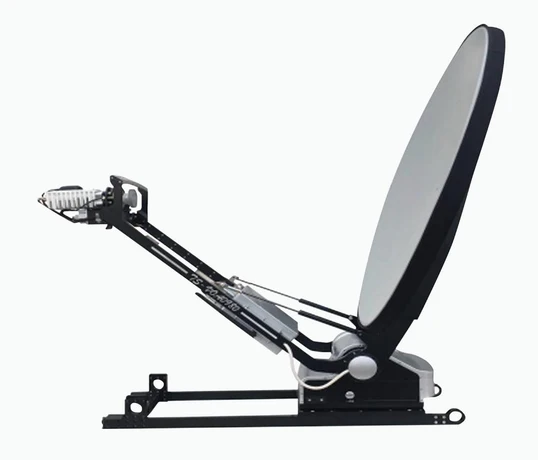
Vehicle-mounted antenna for parked use
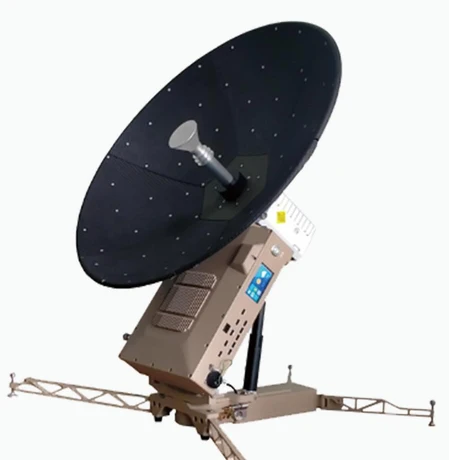
A roof-mounted dish deployed after parking to connect the command vehicle to a satellite service.
Product features
- Automatic three-axis operation
KEYIDEA
Keyidea equipment represented by Fengqi for field teams and satellite communication command vehicles. Equipment selection and vehicle integration are scoped per project.
A terminal uses an antenna and radio equipment to exchange data with a satellite. A modem connects the terminal to a compatible satellite network and service. A local mesh radio network can connect teams at the scene, with satellite providing a separate link back to headquarters.
A command vehicle can send video, maps and incident reports back to headquarters when terrestrial coverage is weak or disrupted. Rescue and fire vehicles may also need dispatch connectivity at remote or temporary sites. Use a parked antenna when the link is needed after arrival, or a tracking terminal and compatible service when it must work in motion.
Common satellite links use about 11–12 GHz down and 14 GHz up for Ku, and about 20 GHz down and 30 GHz up for Ka. Ka can support high-capacity spot-beam services. Both are affected by rain, with Ka generally more sensitive under comparable conditions. Actual capacity and availability depend on the service and link design.
Start with the vehicle’s actual route and work sites. For cross-border routes, verify beam coverage and service continuity in each country. For a defined local area with high video demand, compare Ka where the operator offers suitable capacity. In heavy-rain regions, compare both bands using the operator’s availability figures and rain margin. Check terminal compatibility, unobstructed sky view and local permissions before specifying the antenna.
Parked-use antennas and on-the-move terminals. Choose the operating mode before specifying roof mounting, power and cabling.
A roof-mounted dish deployed after parking to connect the command vehicle to a satellite service.
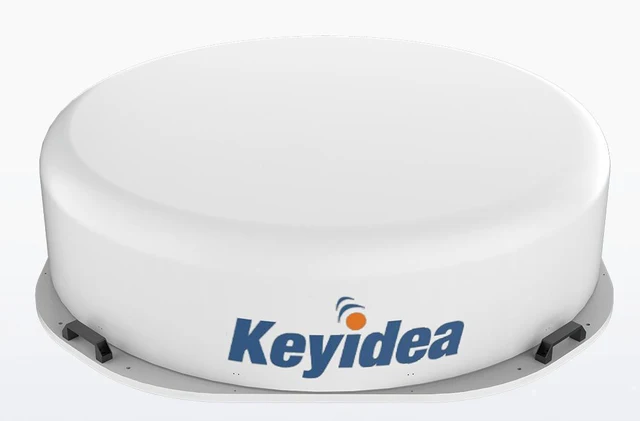
A low-profile Ku-band terminal designed to track a satellite while the vehicle is moving.
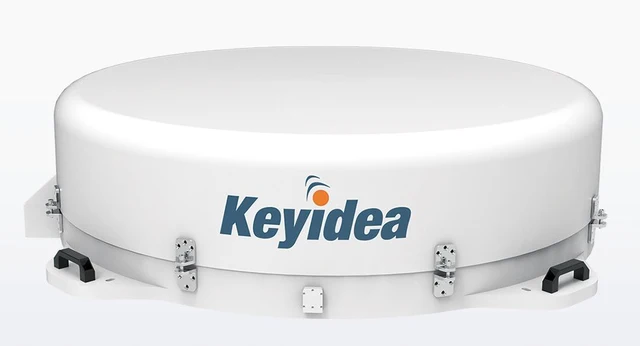
An automatically tracking Ka-band terminal for communications in motion. Confirm coverage along the planned route.
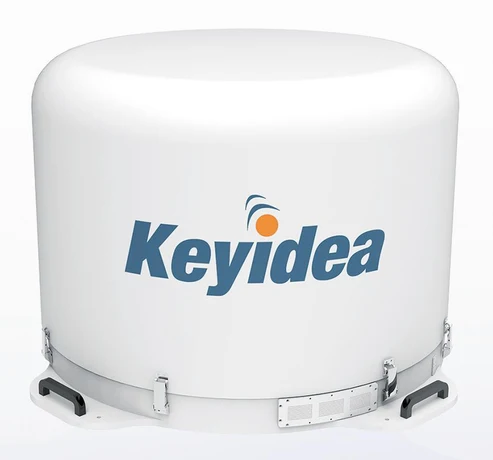
Vehicle terminal for satellite communication in motion.
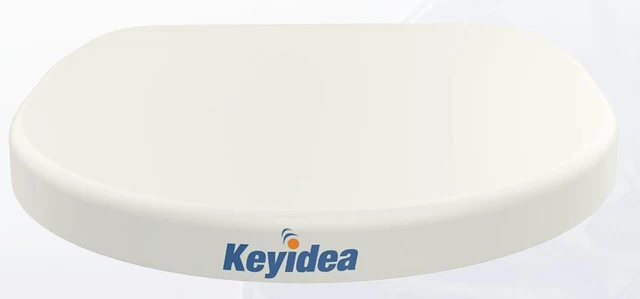
Combines mechanical azimuth rotation with electronic elevation steering.
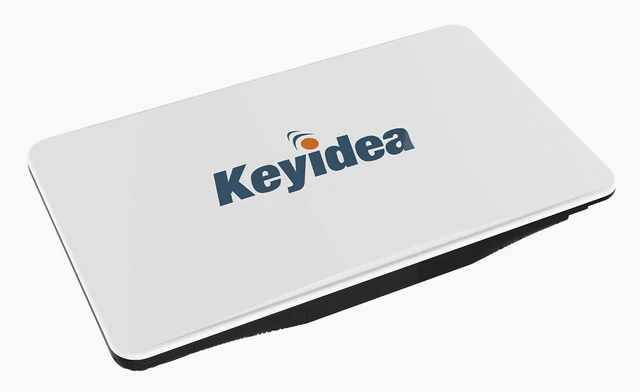
Integrated active array for satellite acquisition and tracking.
Ku and Ka portable stations and integrated portable terminals for temporary sites.
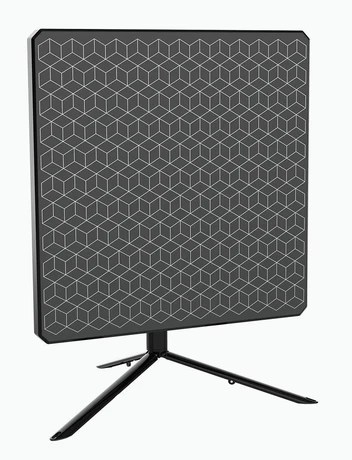
A tripod-mounted Ku-band terminal for temporary field sites. Automatic satellite acquisition helps reduce setup work.
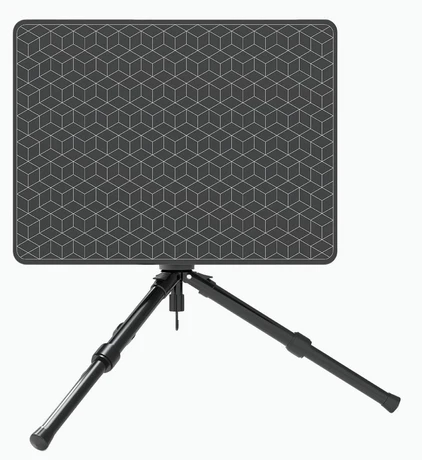
A portable Ka-band terminal with an integrated tripod for temporary satellite access. Confirm the compatible satellite service.
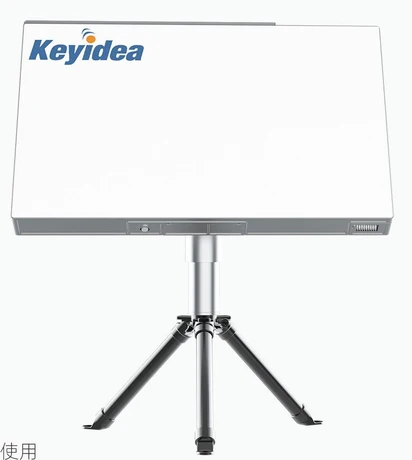
Portable Ku station for public and private satellite networks.
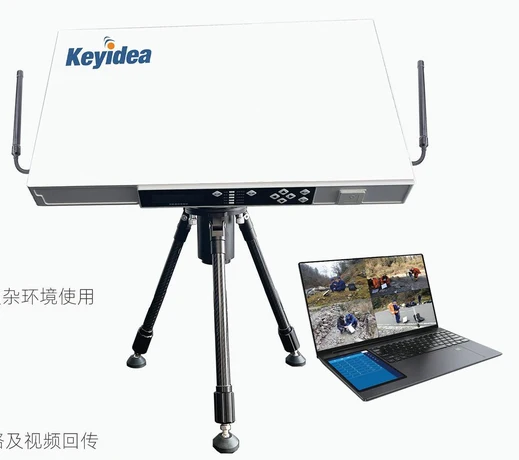
Integrated terminal for field communications and dispatch.
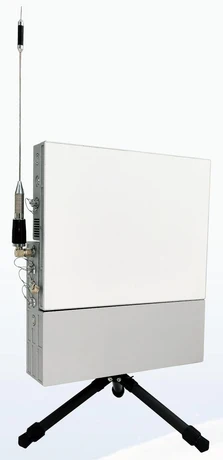
Combines satellite connectivity with a PDT base station for field deployment.
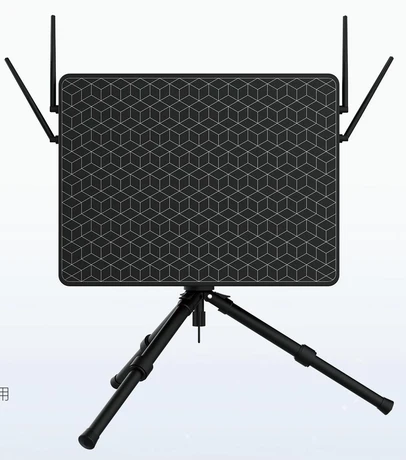
Portable Ka satellite backhaul for cellular coverage from three Chinese carriers in the catalogue configuration.
Field station for extending cellular service over satellite backhaul.
Vehicle-mounted, backpack and handheld radios for local team communications. Confirm interoperability and whether a separate satellite backhaul is required.
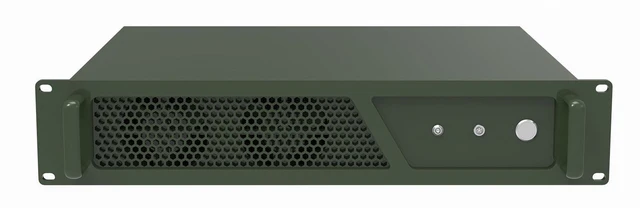
An onboard node that connects a command vehicle to compatible mesh radios used by field teams.
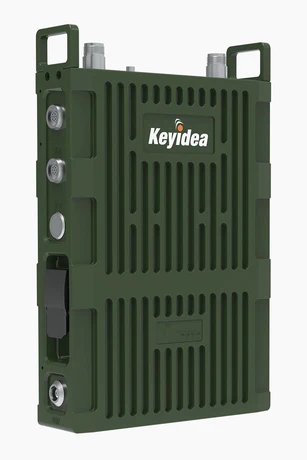
A body-carried node for crews working away from the vehicle. Confirm the battery and antenna configuration.
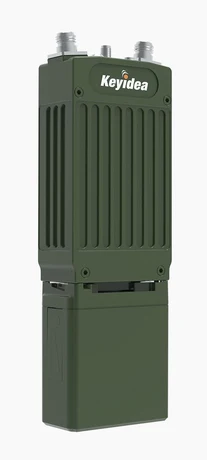
A compact handheld node for local team communications on a compatible mesh network.

Hub modem for managed satellite networks.

Hub modem for satellite IP services and SCPC networking.

Remote terminal modem for video, voice and data.
Satellite backhaul for the command post. Specify parked or on-the-move operation and the communications service before selecting the antenna.
Portable satellite stations can connect temporary response sites when terrestrial networks are unavailable.
Mesh radios can link crews and vehicles locally. Where required, a separate satellite link can connect the scene with dispatch.