ILLUSTRATED BUYER GUIDE · REVIEWED 26 OCTOBER 2026
Ambulance HS Code 8703 vs 8705: A Visual Guide to Medical Vehicles
Three medical jobs. Different vehicles. Different customs questions.
START WITH THE WORK
Which vehicle do you actually need?
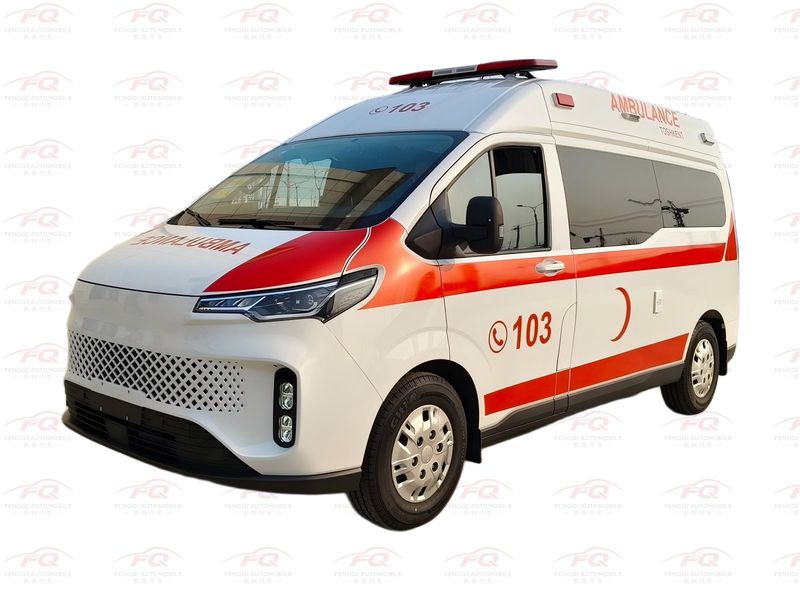
Ambulance
Transport the patient
Patient transfer and the required care during transport.
The WCO reference lists ambulances under 8703. Subheadings depend on the vehicle’s powertrain.
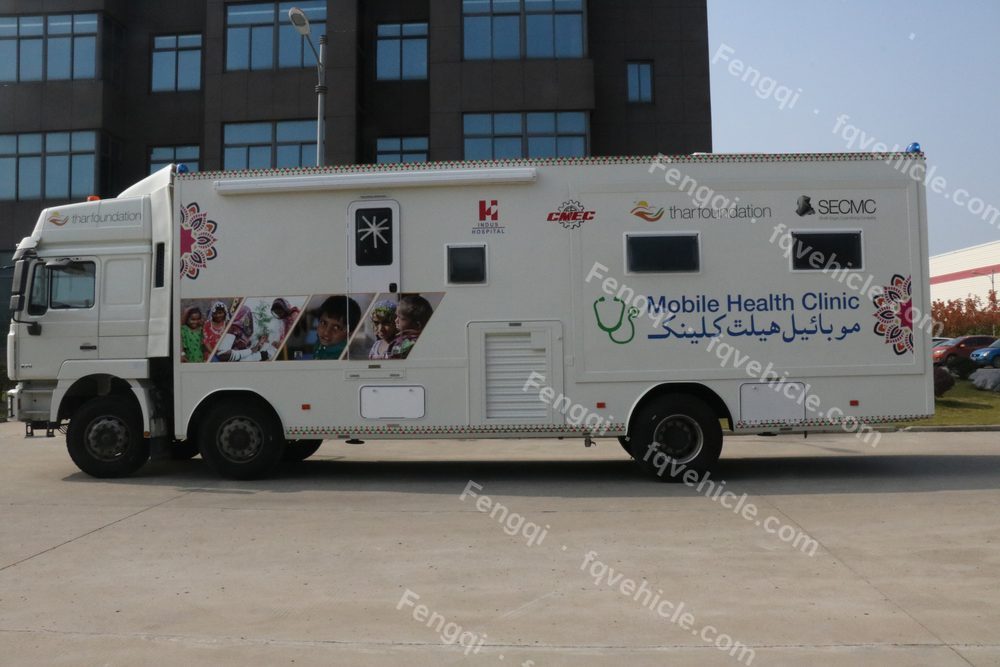
Mobile clinic
Bring the clinic to the patient
Consultations, examinations or treatment at a deployed location.
Equipped mobile surgical clinics are a WCO example under 8705.90. This does not classify every mobile clinic or screening vehicle.
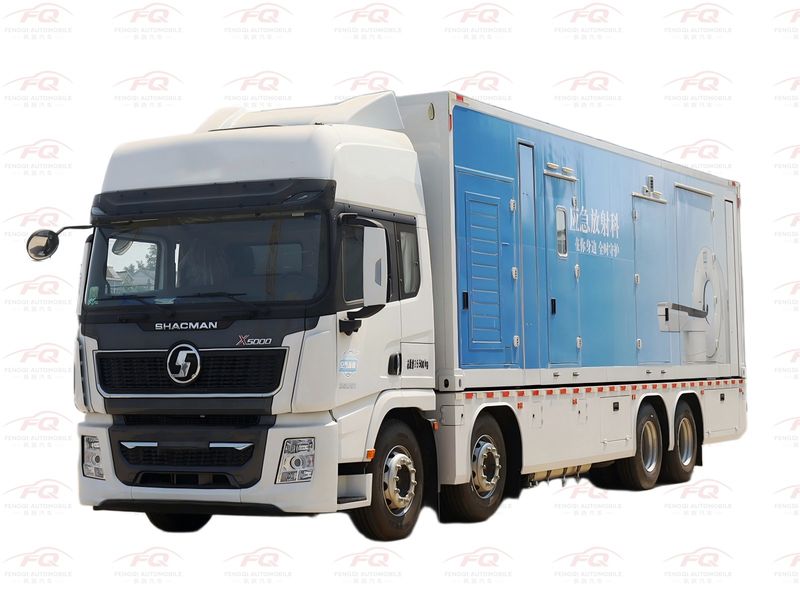
Medical imaging
Bring the examination equipment
Imaging examinations using equipment installed in the vehicle.
Mobile radiological units are a WCO example. Other imaging configurations still need review.
Actual Fengqi project photographs illustrate the vehicle families. A photograph alone does not establish the customs code of a particular shipment.
FUNCTION → CLASSIFICATION → LOCAL TARIFF
The job matters more than the chassis badge
Transport patients
8703Ambulances in the WCO referencePerform specific medical work on site
8705.90WCO examples: equipped surgical clinics & mobile radiological unitsOther or combined medical functions
Review the configurationProvide the layout, installed equipment and operating descriptionWhy “special-purpose vehicle” does not automatically mean HS 8705
8703 covers vehicles principally designed to transport persons, other than heading 8702. A vehicle can have a specialised medical conversion and still be an ambulance under 8703. Commercial names, registration categories and ambulance type labels do not replace customs classification.
8705 excludes vehicles principally designed for transporting persons or goods. The WCO’s surgical clinic and radiological examples do not establish that every consultation, screening, ultrasound or other medical vehicle is 8705. Review the completed goods and destination interpretation.
TWO SIDES OF THE SAME SHIPMENT
Permission to export is not permission to import
China · Export
- Identify the goodsComplete vehicle, engine-fitted chassis or other shipment contents?
- Check licence scopeApplicable catalogue, goods description, trade route and exporter conditions.
- Prepare documentsAgreed technical scope, accurate commercial and origin information.
Destination · Import & use
- Confirm the local code & taxesDuty, VAT/GST and other applicable charges; verify any exemption conditions.
- Confirm vehicle entry & registrationImport permits and admission requirements in the actual country.
- Check medical approvalsDevices and, where applicable, radiation equipment and operating requirements.
Why we do not give one worldwide ambulance duty rate
The destination tariff line, origin, customs value, import date and any preference or exemption conditions affect the result. Medical use alone does not prove tax exemption. Ask your importer or broker for a dated breakdown showing each tax, its base and any relief conditions. Do not copy an ambulance rate onto a mobile imaging vehicle.
YOU DO NOT NEED TO KNOW EVERY TECHNICAL TERM
Start with what you already have
Destination + task
Where will it operate? Patient transport, clinical services or imaging?
List + photos
Send equipment names, reference photos or tender documents. Include model numbers and specifications where available.
Mark the unknowns
Write “please advise”. We will separate the base vehicle, medical conversion and equipment before quoting.
Also include quantity, crew and patient needs, budget if known, and any import requirements already confirmed.
Official sources & scope
- WCO / WHO medical goods classification reference, HS 2022, page 12
- Australian Border Force: Chapter 87 tariff headings
- China’s 2026 export licence catalogue announcement · Catalogue attachment, pages 57–58
Sources reviewed 26 October 2026. Diagrams simplify the questions to ask; they are not binding customs rulings, tax quotations or approval of an actual shipment.