Why Detection Vehicle Layouts Change During Production
The customer knows the main instrument, not what goes with it. Why equipment integration on a detection vehicle is never finished on paper.
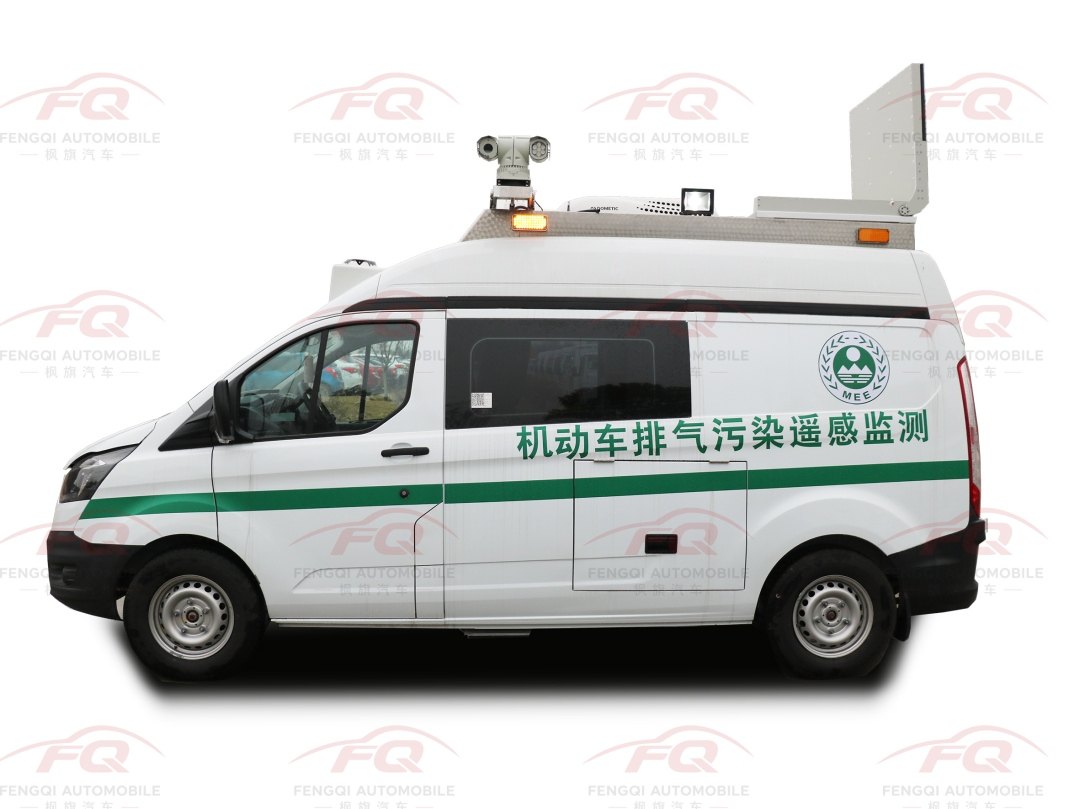
A detection or inspection vehicle is an integration job, not an assembly job. The plan gets agreed with the customer, everything we are unsure about gets talked through, the layout gets signed off — and the plan still changes.
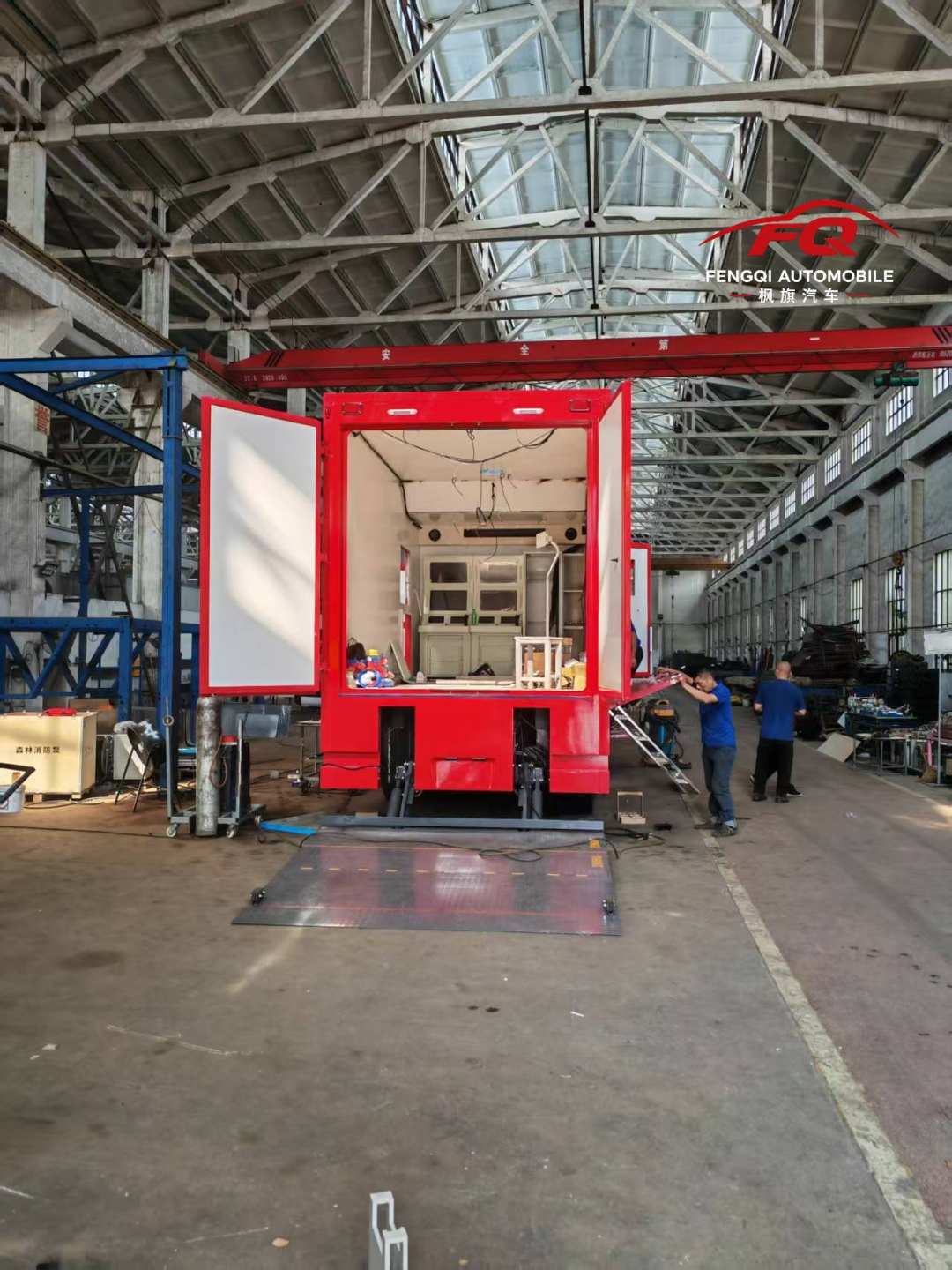
That is not a customer who cannot decide, and it is not a supplier who failed to plan. It is what happens when a set of instruments has to become one working vehicle. Three things cause it, and all three are normal.
The customer knows the instrument, not what goes with it
The customer knows what the vehicle has to do, and knows which piece of equipment delivers that function — sometimes their own product, sometimes something they buy in.
What they do not have is the list of things that have to exist for that instrument to work on board. Gas supply, extraction, exhaust handling. Mounting, anti-vibration, earthing, cable runs. Storage for reagents, for waste, for the consumables the job needs.
And that list cannot be written down in advance, because it is different on every vehicle. Ask what turns up late and there is no typical answer — the answer depends on the instrument, the mission and the vehicle it went into.
So where the impact is small and the delivery date matters, the detail gets worked out while the build is moving. That is a decision, not an accident.
The vehicle is not a rectangular box, and the equipment arrives late
Two things collide here, and neither is anybody’s fault.
The space inside a van is not the space in the drawing. Side walls taper inwards. Wheel arches, door apertures and windows all take volume out of the compartment at exactly the heights where equipment wants to sit.
And the equipment generally arrives after the build has started. That is the normal order of things on a custom vehicle — buying the instruments takes time, and the vehicle is being built at the same time. So a lot of the fit is done against dimensions on paper, with a tolerance.
Most of the time that works. Then a unit goes in for a trial fit and a connector that has to be attached to it stands out far enough to foul the unit next to it. Or a panel that was drawn in one place turns out to be hidden once everything around it is real, and has to move.
Not a design error — a tolerance that only becomes visible when the hardware is in your hands and the vehicle is standing in front of you.
Sometimes the customer adds something
Newly specified vehicles attract new technology. The customer’s own product is still being developed, and a vehicle that takes months to build gets the version that exists when it is fitted, not the one that was on the drawing. Or the supporting equipment turns out to be more than the plan allowed for.
All three of these land on the same build, and they land while it is being built.
How we work with it
Ask for measured dimensions, photographs, or the unit itself — not just the manufacturer’s drawing, which does not show which way the connections face or how much room the thing needs to be used rather than installed.
Leave room that has not been committed. Rack positions that can move, mounting that can be re-spaced, volume left empty on purpose. Space held back is cheaper than space reclaimed.
Set the position when the hardware is on the floor where it matters. Build what does not depend on it, and fix the final position at trial fit.
Know what has to be settled early and what can wait. The main instrument, its mass and its power demand cannot move by much, and those drive the vehicle that was chosen in the first place. The supporting detail can follow.
Where it stops being a change
We build these vehicles knowing the plan will move. That is the job.
Two things do not move with it.
Anything that touches compliance. Axle loads, the electrical system, anything tied to registration or certification — those are not layout preferences, and changing one of them is not a change. It is a re-approval with its own timeline.
Anything past a certain cost. Past that point it is not a modification, it is a re-quote, and the customer should know which of the two they are asking for before the work starts.
What this is
A supplier who can only build to a frozen drawing is not much use on a vehicle like this. What the integration actually requires is knowing which decisions have to be made early, which ones can wait for the hardware, and which ones stop being decisions at all because they have been built around already.
The instrument was designed for a bench. Fitting it — and everything that has to exist for it to work — into a vehicle that is moving, vibrating and legally constrained is a separate piece of engineering. It is also the piece that decides whether the vehicle does its job.
That is why we treat equipment integration as part of vehicle engineering, not as a final fitting step.
Planning a detection or inspection vehicle? Send us the equipment list and the operating requirements before the chassis is ordered.
Planning a build?
Tell us your operational requirements — we'll come back with an engineered proposal.
WeChat QR

WhatsApp QR