When a Generator and a UPS Disagree About Ground
A US-spec generator and a China-spec UPS do not always agree on what ground means. What that clash cost one truck, and the part that fixes it.
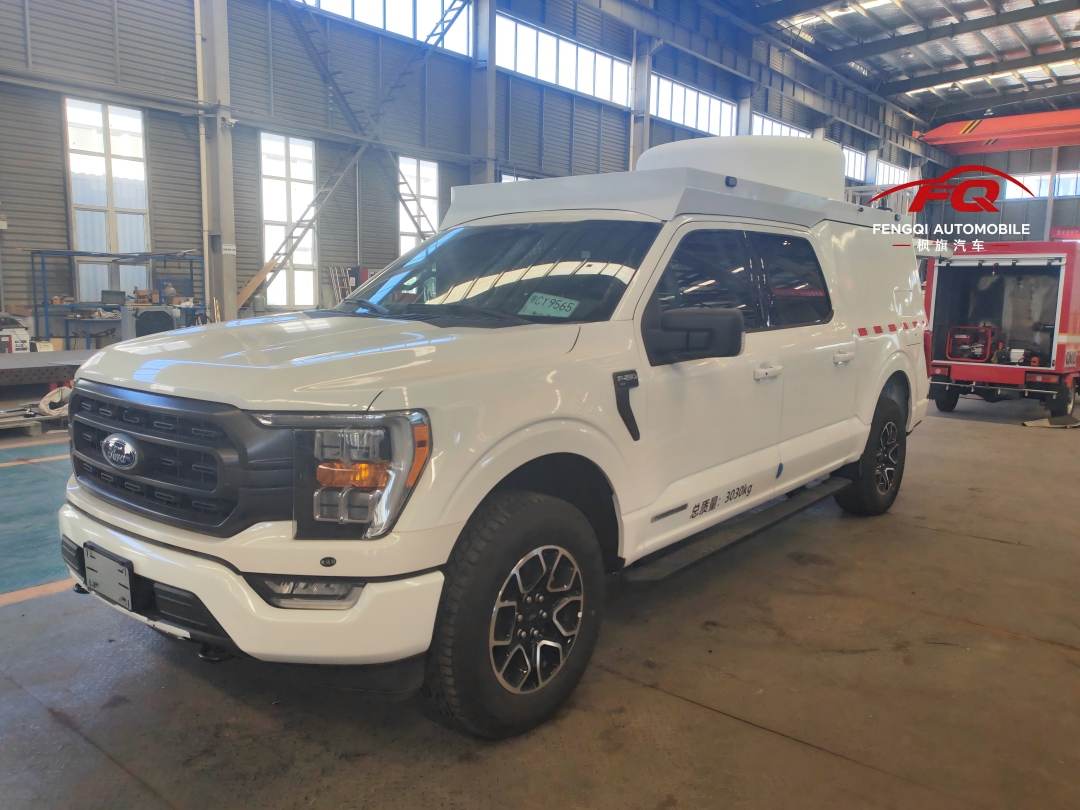
Pull power from a vehicle’s on-board generator, run it through a UPS, and let the UPS feed the equipment. The chain is unremarkable on a drawing. On a test bench it can stop a truck for three days.
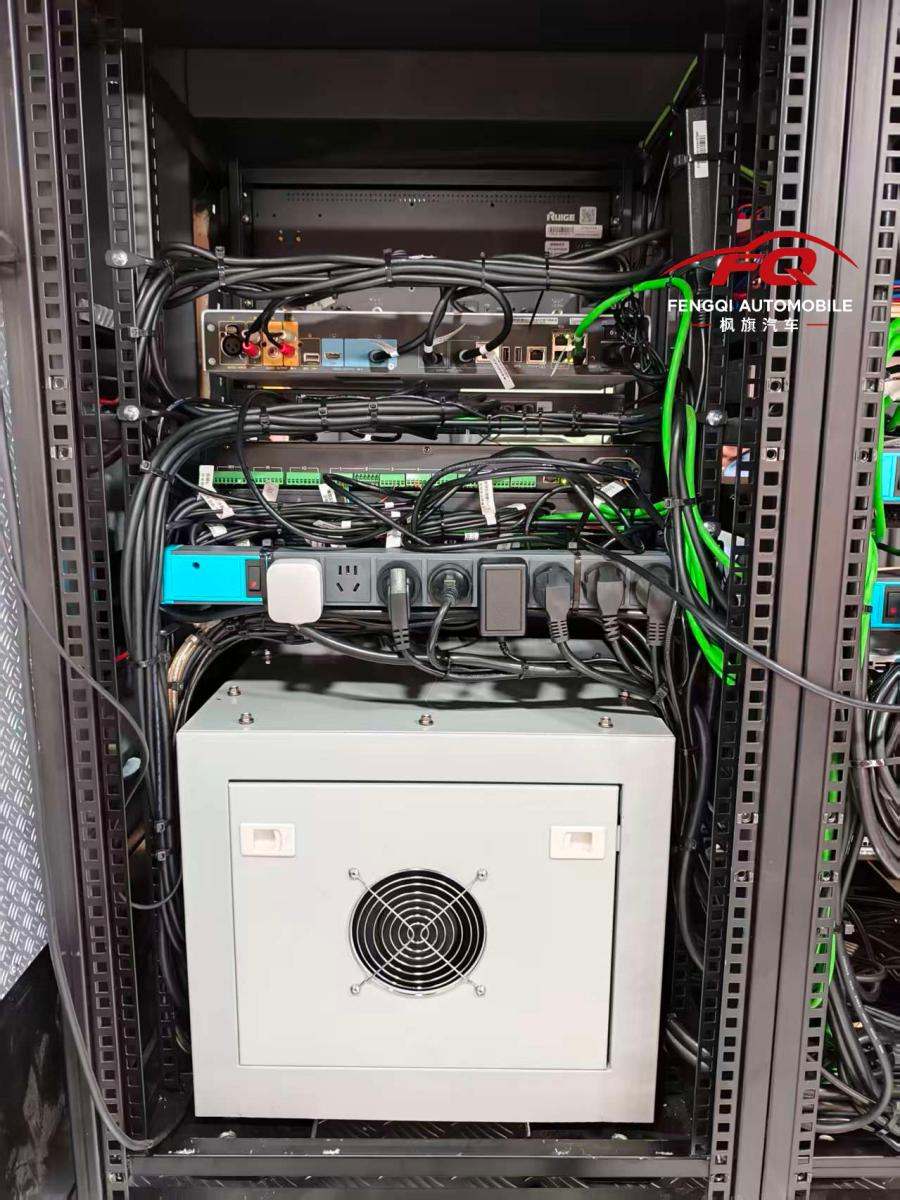
That is what happened on a communication vehicle we were commissioning for a power emergency project. Imported pickup chassis, on-board generator taking its drive from the engine, a UPS downstream, communication equipment on the end of it. The generator started. The UPS went on line. The generator panel flagged a ground fault and shut down.
The join is not a cable
On paper the chain reads correctly. A generator makes power. A UPS stores it and conditions it. Put them in a line and the radios get steady electricity.
What that description leaves out is that the two ends were written to two different standards, in two different places. The chassis was imported. The UPS was a standard local model. Each one was built to a grounding convention that made sense where it was made, and nothing in the wiring diagram says what happens when the two meet.
They did not meet cleanly. The generator’s protection saw a fault and tripped.
Why the drawing does not show it
Voltage, frequency and current rating are on the datasheet. The grounding arrangement is not, and it is rarely part of an equipment purchase conversation. You can specify a generator and a UPS that match perfectly on every number anybody quotes, and still have them disagree about what the word ground means.
That is why this one was not caught at design stage. It was not a sizing error and not a rating error. It was an assumption — that the join between two compliant pieces of equipment would behave like a cable.
The fault also does not announce itself until the parts are powered up together. Commissioning is the first time the two standards actually meet.
The fix
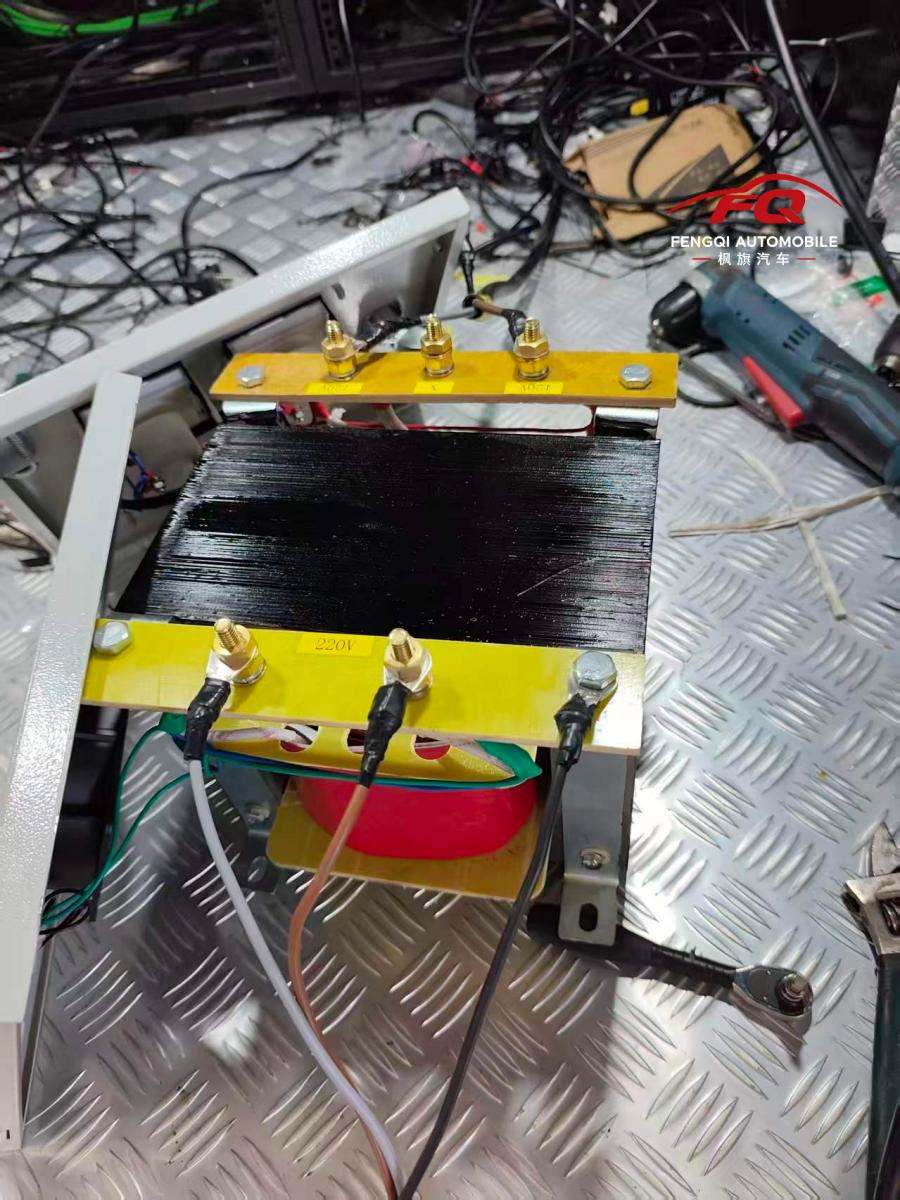
One isolation transformer between the generator and the UPS.
The transformer separates the two sides galvanically, so each keeps its own grounding arrangement instead of fighting over one. The generator side stays as the vehicle was built. The output side gets a neutral reference the UPS is happy with. Nothing about either unit changes — they just stop being electrically the same circuit.
It is a small line on a bill of materials. On this build it cost three days to find, because it was found at the end instead of at the start.
What we check now
Two things, and both happen before anything is wired.
The generator’s electrical characteristics first — not just its output rating, but how it is grounded. That determines whether the rest of the chain can simply connect to it.
The UPS maker, before the cable is cut. Whether the unit will accept the supply it is being given is a question with an answer, and it is cheaper to ask it early.
If a customer arrives with an import chassis and a UPS already specified, we say the same thing up front: these two may not sit together cleanly, and an isolation transformer may be needed in the middle. That is a small cost on a parts list. It is not small when it turns into a stoppage during commissioning.
Where this lands
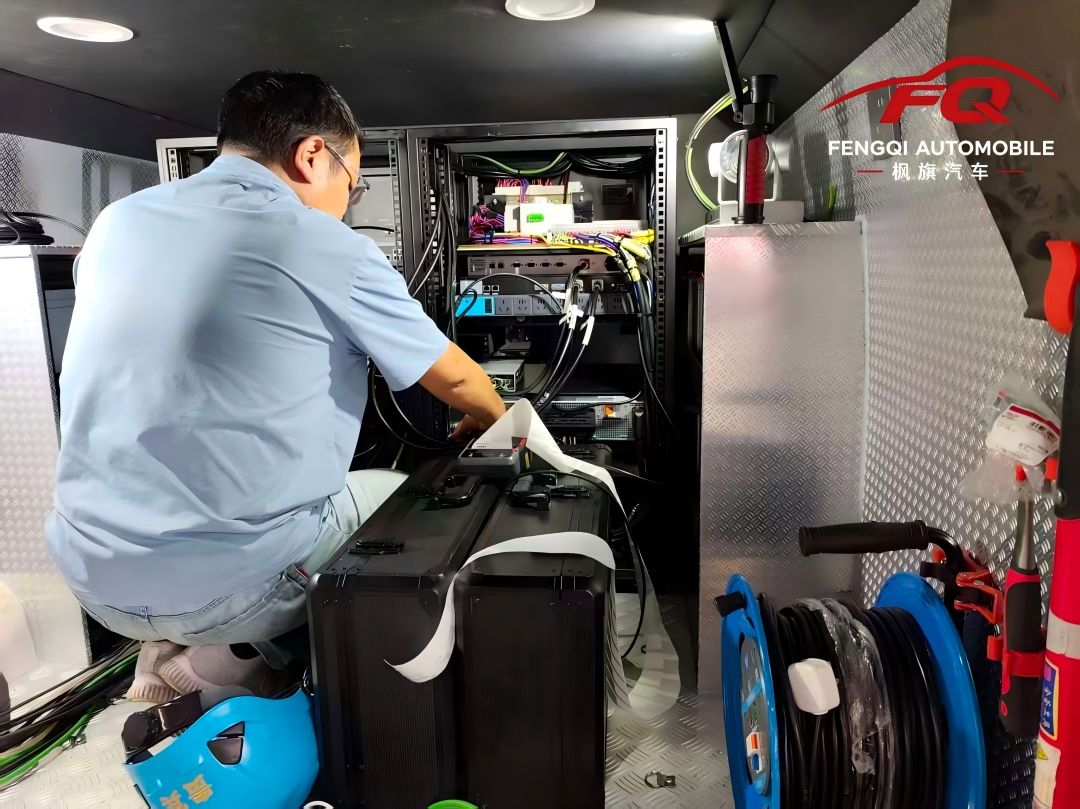
A power emergency vehicle has to work the day it is needed, not the day after the wiring gets sorted out. The voltage and frequency side of the same problem is the one most people check. The grounding side is the one that gets missed, because it is not a number anybody quotes.
We do not build the generator and we do not build the UPS. Making sure the vehicle leaves able to power what it carries is the part that is ours, and it is the part that has to be right — including the joins that are not visible on a drawing.
— Fengqi Vehicle Engineering
Planning a build?
Tell us your operational requirements — we'll come back with an engineered proposal.
WeChat QR

WhatsApp QR